< img height="1" width="1" style="display:none" src="https://www.facebook.com/tr?id=587138640879867&ev=PageView&noscript=1" />
  • Facebook
  • Twitter
  • YouTube
  • LinkedIn

Laser Rust Removal VS Sandblasting Rust Removal 1

2025-12-29

Working Principles

Rust forms when iron reacts with oxygen and moisture, creating a flaky, damaging oxide layer. Removing it requires breaking the bond between the rust and the underlying metal without harming the material beneath. Laser rust removal and sandblasting are two widely used techniques for this, but they operate on fundamentally different principles—one based on photothermal energy, the other on mechanical abrasion.

Laser Rust Removal

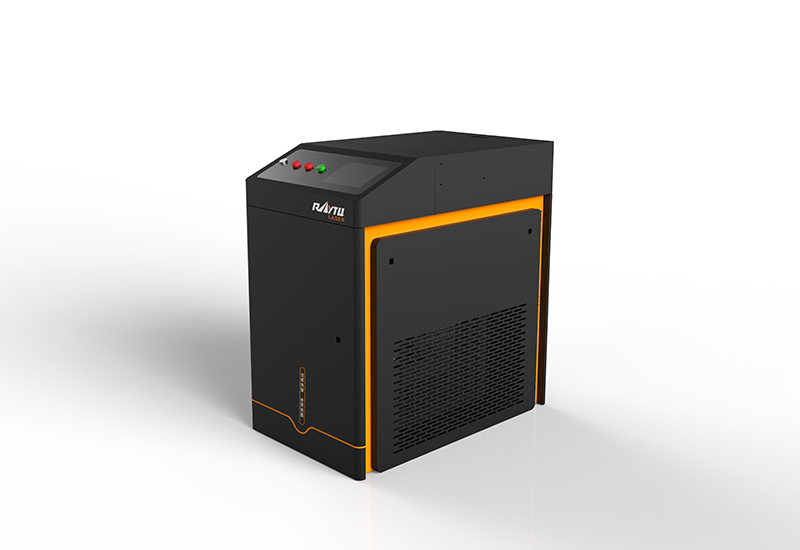
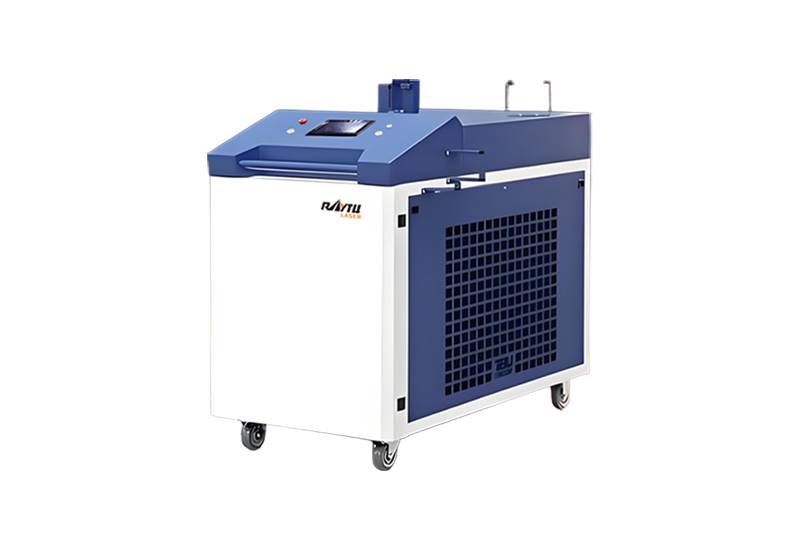
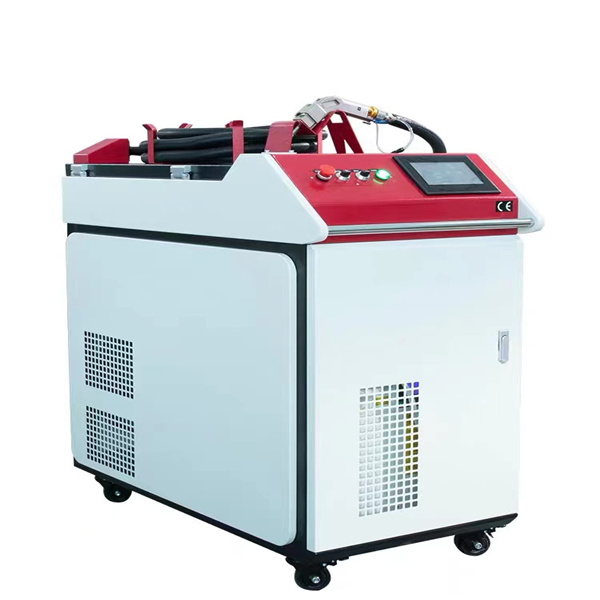
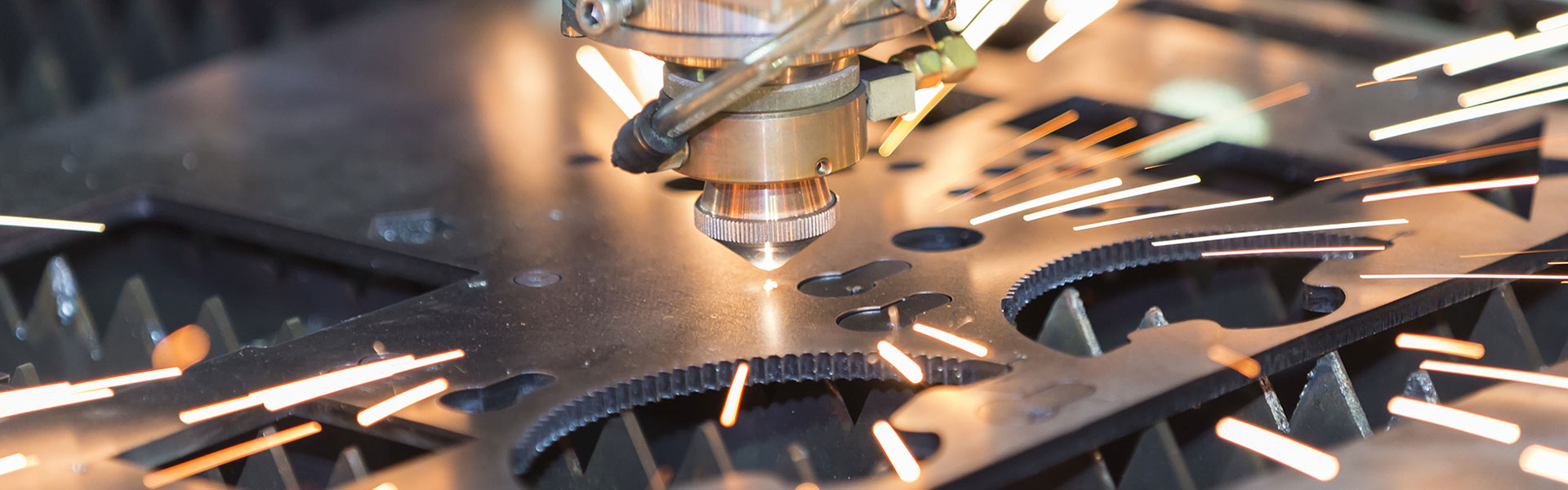
Laser rust removal works through a process called laser ablation. A high-intensity laser beam—typically from a fiber laser—is directed at the corroded surface. The rust layer absorbs the laser’s energy, which rapidly heats and expands the rust, causing it to either vaporize or break away from the metal underneath. The wavelength and power of the laser can be precisely controlled, allowing operators to target specific depths and types of corrosion. Because rust has a different absorption rate than bare metal, the laser can be tuned to remove only the oxide layer while leaving the base material untouched.

The process is non-contact, meaning there’s no physical wear on the equipment or the substrate. It’s also highly localized—ideal for detailed surfaces, inscriptions, or irregular shapes. Laser cleaning systems often include real-time sensors or automation for consistent results. There’s no secondary waste like grit or dust, making it a clean, eco-friendly solution.

However, the initial cost of laser cleaning systems is high, and they generally remove rust more slowly compared to abrasive methods, especially on large surfaces.

Sandblasting Rust Removal

Sandblasting, also known as abrasive blasting, is a mechanical surface preparation method. It involves propelling a high-speed stream of abrasive material—commonly sand, steel grit, glass beads, or other media—using compressed air or a centrifugal wheel. This abrasive stream strikes the rusted surface, physically chipping away the corrosion and any surface contaminants. Unlike laser cleaning, sandblasting is not selective. It removes everything in its path, including rust, paint, and sometimes even a layer of the underlying metal. It’s highly effective for cleaning large areas, rough surfaces, or heavily corroded parts where precision is less of a concern.

Different blasting media and techniques (e.g., dry blasting vs. wet blasting) can be chosen depending on the desired finish. But sandblasting can create dust, environmental hazards, and health risks due to airborne particles. It also wears down both the equipment and the material being cleaned over time.

Laser rust removal and sandblasting operate on opposite ends of the technology spectrum. Laser removal is precise, programmable, and clean—ideal for delicate or high-value applications where surface integrity and cleanliness matter. Sandblasting, by contrast, is powerful, fast, and rugged—suited for heavy-duty tasks and larger surfaces where precision isn’t critical. Each method has its place. The key is understanding the nature of the rust, the sensitivity of the surface, and the desired outcome, then choosing the tool that delivers the best balance of efficiency, safety, and cost.


+86-531-88239557