When comparing laser cutting machines, the bed deserves a closer look. It supports the machine’s structure and provides the mounting foundation for components such as guide rails and racks. Its construction, treatment and machining are therefore worth discussing with the supplier before making a purchase.
This article looks at Raytu’s steel plate welded machine beds, the main production steps and the information buyers should check when comparing machines.

How a Steel Plate Welded Machine Bed Is Made
Raytu’s bed manufacturing process includes steel plate preparation, welding, heat treatment, surface preparation, machining and inspection. Each stage addresses a different part of the finished structure.
Steel Plate Preparation and Welding

Steel plates are cut and welded to form the bed structure. Raytu’s production description lists plate thicknesses of 8–12 mm and describes a bed construction made from 10 mm carbon steel plate.
When reviewing a quotation, ask which plate thickness applies to the specific machine offered. A general description of the manufacturing process should be checked against the quoted model.
Heat Treatment After Welding

After welding, the bed undergoes high-temperature annealing to reduce residual internal stress.
Raytu also describes vibration treatment and natural aging as part of its bed preparation process. These treatments are intended to support structural stability before the machine enters service.
For buyers, the useful question is which treatments are carried out on the quoted machine and how they fit into the production process.
Blasting and Surface Finishing

Blasting removes rust and oxide layers from the bed surface. The production process includes checking the uniformity and coverage of this treatment.
The bed also receives a painted finish. When assessing manufacturing quality, it is worth looking beyond the finished appearance and asking how the surface was prepared.
Machining and Accuracy Inspection

The bed requires machining and inspection around the areas used to mount guide rails, racks and other components.
Raytu’s inspection description covers parallelism, straightness, positioning holes and mounting holes. These checks focus on the mounting features needed for machine assembly.
Rather than relying on a broad claim of “high precision,” ask the supplier what is inspected and whether inspection records are available for the machine being supplied.
Raytu H Model Specifications
The supplied specifications for Raytu’s standard H model list:
| Item | Listed specification |
|---|
| Maximum worktable load capacity | Approximately 800 kg |
| Bare machine weight | 2,300 kg |
These figures refer to the H model described here. They should be checked against the exact model and configuration in the quotation.
Worktable load capacity and bare machine weight describe different things. The first concerns the load supported by the worktable; the second is the weight of the machine itself.
What to Compare Before Buying
A useful bed comparison starts with the details of the quoted machine. Ask the supplier to confirm:
The bed material, construction and plate thickness.
The treatments carried out after welding.
The machining and inspection of guide rail and rack mounting areas.
The maximum worktable load capacity.
The bare machine weight and the configuration it refers to.
If two quotations differ substantially in price, compare these details alongside the rest of the machine specification. The bed’s appearance or a single weight figure does not provide a complete picture of its construction.
Ask for Details of the Quoted Model
When discussing a Raytu laser cutting machine, request the bed specifications and production information for the model you are considering. Photos of the bed before assembly, an explanation of its treatment process and available inspection records can make the quotation easier to assess.


 EN
 ES
 RU
 AR


 No. 6-8,Binhe industrial park,Jiyang district,Jinan city,Shandong province, China
 +86-531-88239557


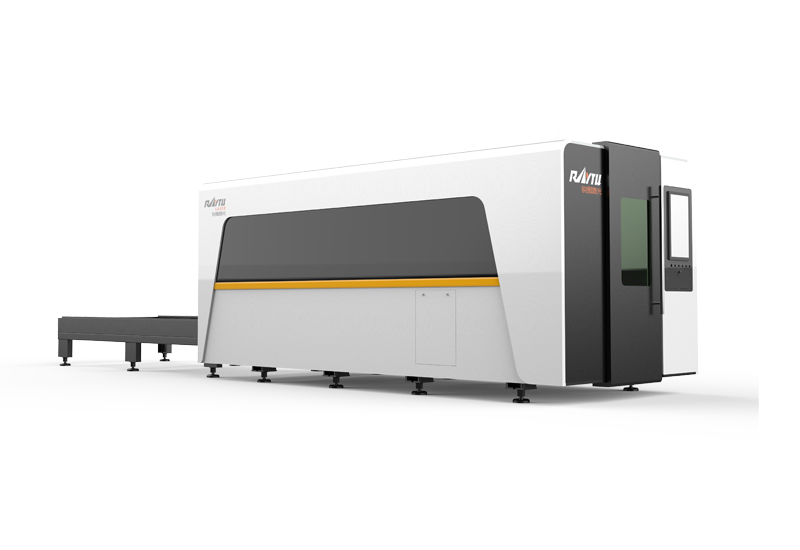 High Power Fiber Laser Cutting Machine
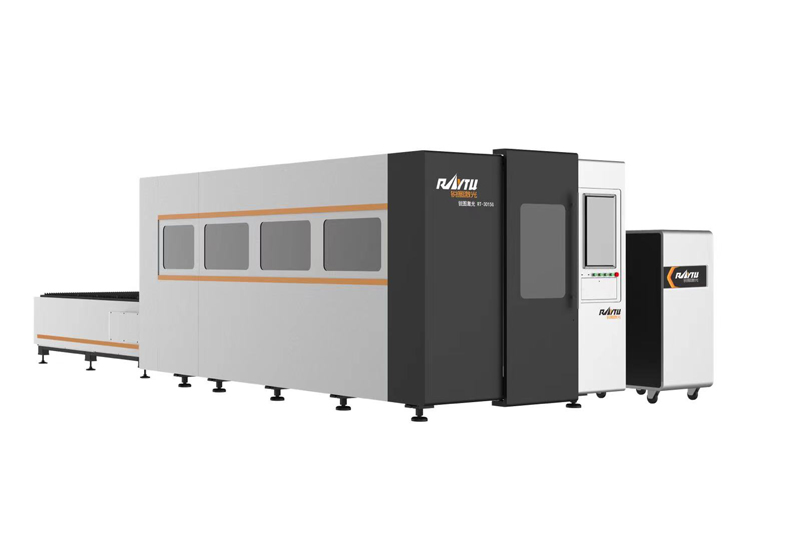 Enclosed Fiber Laser Cutting Machine
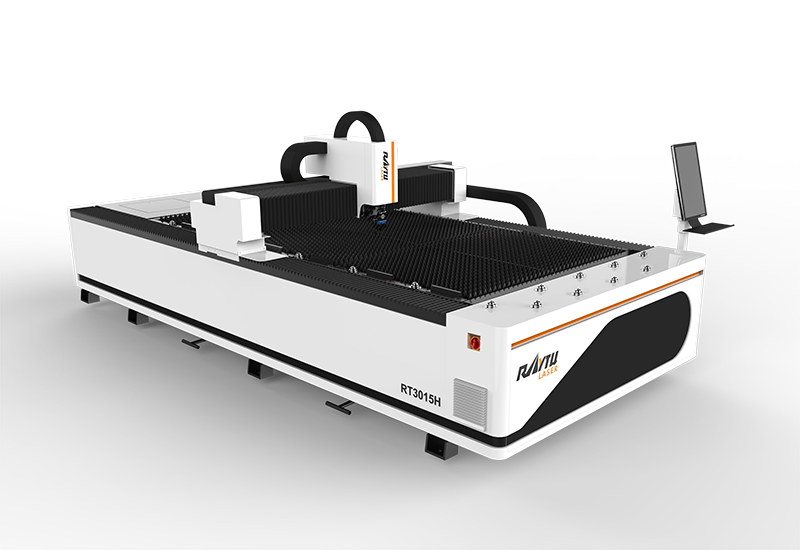 Sheet Metal Laser Cutting Machine
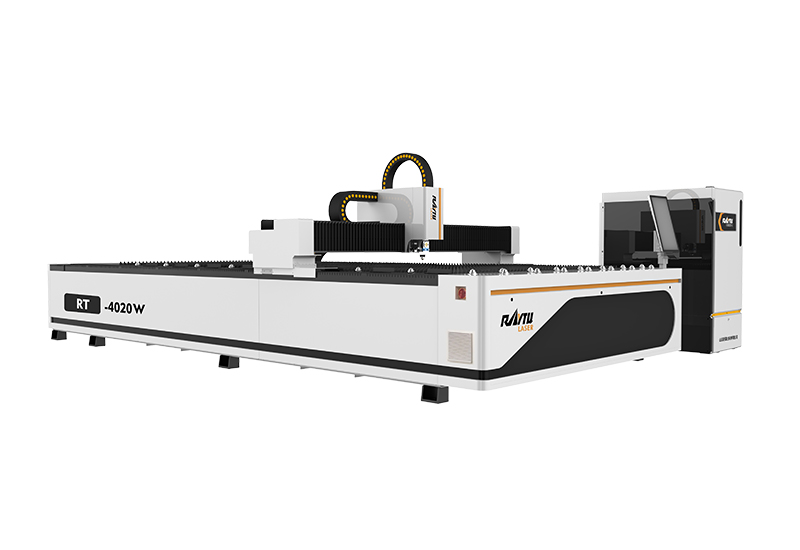 Medium Power Metal Laser Cutting Machine
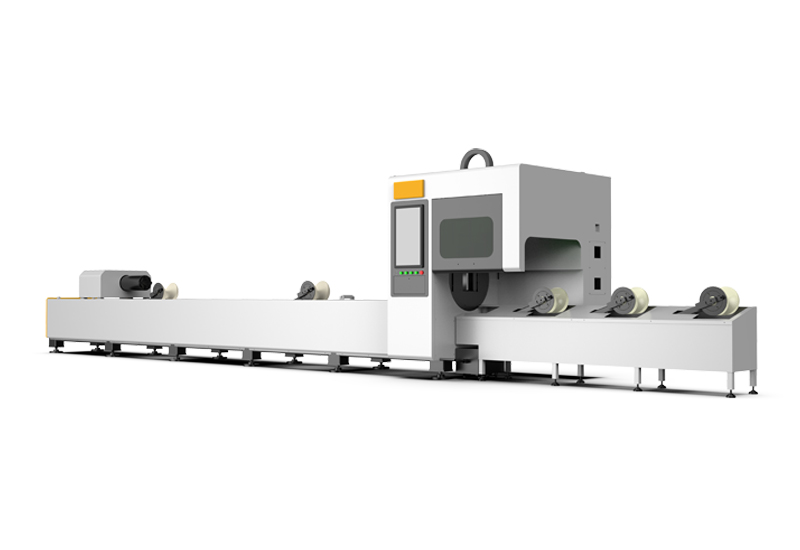 Automatic Tube Laser Cutting Machine
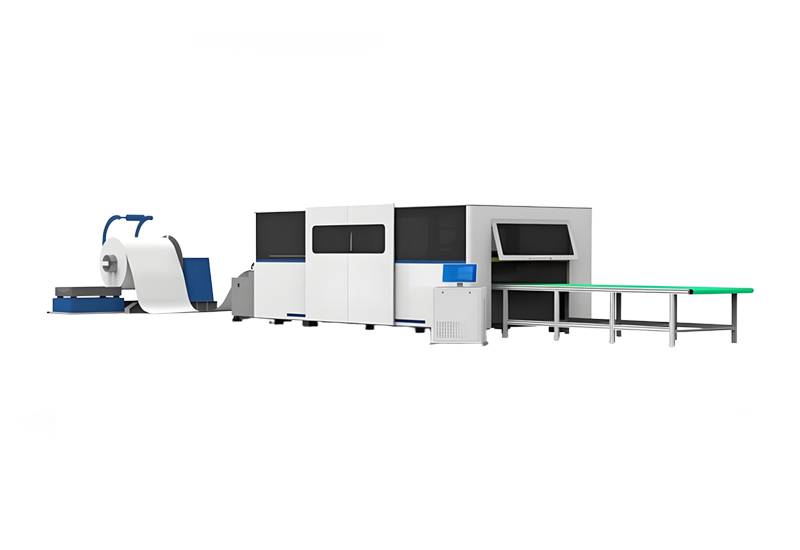 Coil Fiber Laser Cutting Machine
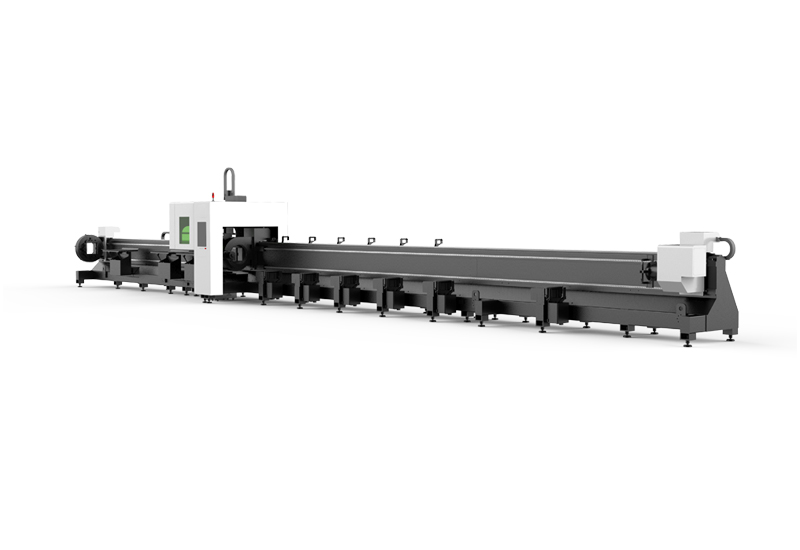 RTC-12036M 3 Chucks Tubeeber Laser Cutting Machine
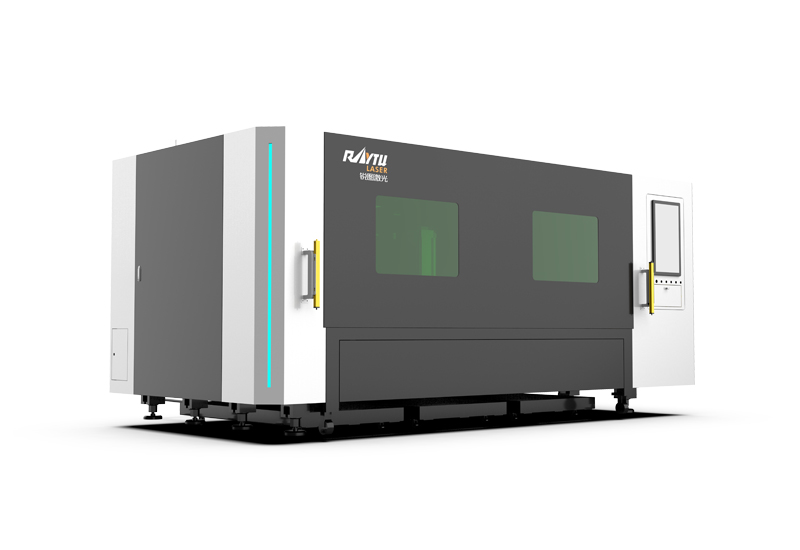 Single Table Enclosed Fiber Laser Cutting Machine


